Farming
15 Low-Investment Indoor Farming Business Ideas in India 2026
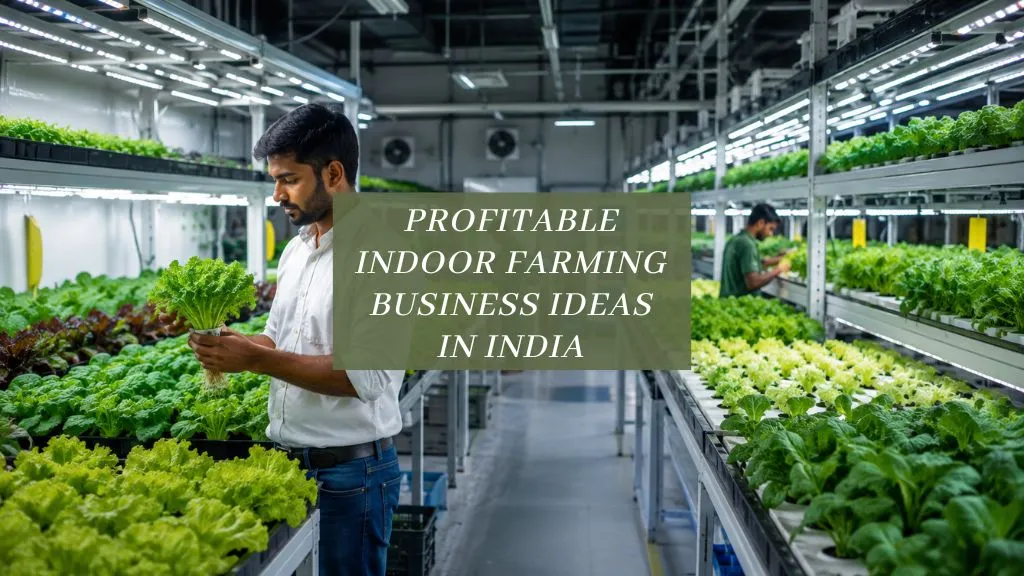
Starting a farming business in India doesn't always mean buying acres of agricultural land. With hydroponics, vertical farming, climate-controlled growing systems and small-scale food processing, entrepreneurs can now turn a spare room, terrace, shed or other unused space into a productive business.
From fast-growing microgreens and mushrooms to premium saffron, hydroponic vegetables, plant nurseries and value-added food products, there are plenty of indoor farming business ideas in India that can be started on a relatively small footprint. The right option, however, depends on your budget, available space, technical skills, local demand and ability to find reliable buyers.
In this guide, we'll explore 15 profitable indoor farming and small-space agricultural business ideas for 2026, including their basic requirements, estimated startup costs, advantages and challenges. We'll also look at how sustainable farming models can create value beyond simply growing and selling a crop.
Indoor Farming Ideas Compared: Investment, Space & Difficulty
Business | Space Needed | Starting Cost | Difficulty | Harvest/Revenue Speed |
|---|---|---|---|---|
Microgreens | Very small | Low | Easy–Moderate | Fast |
Mushrooms | Small | Low–Moderate | Moderate | Fast |
Herbs | Small | Low–Moderate | Moderate | Fast |
Plant Nursery | Small–Medium | Low–Moderate | Easy | Moderate |
Terrace Farming | Medium | Moderate | Moderate | Moderate |
Hydroponic Greens | Medium | Moderate–High | Moderate–High | Fast |
Saffron | Small–Medium | High | High | Slow/Technical |
15 Best Indoor Farming Business Ideas in India for Small Spaces
1. Microgreen Farming
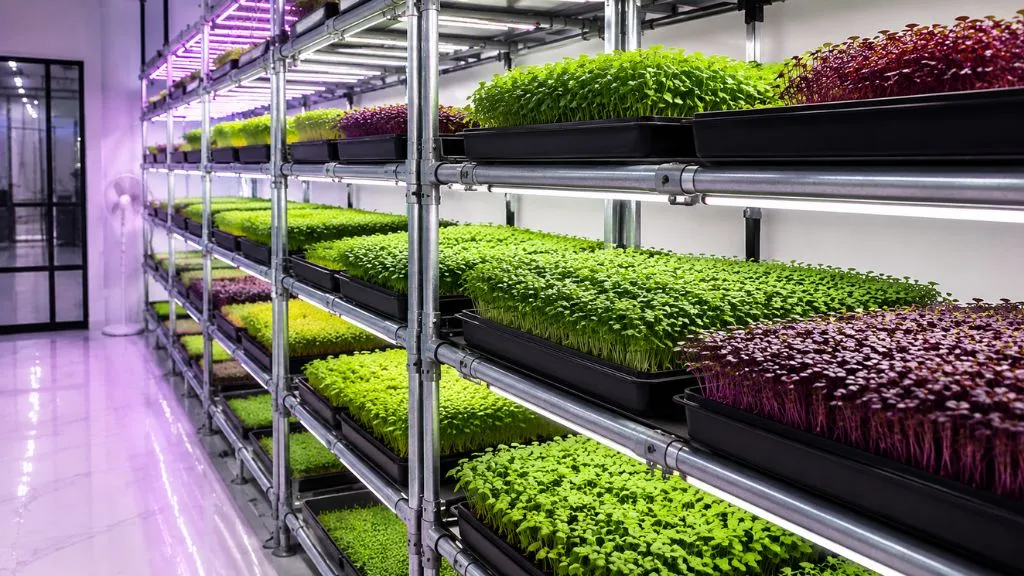
Microgreens are basically baby plants harvested just 7–14 days after germination. High-end restaurants, fitness coaches, and health-conscious homes are constantly hunting for fresh, nutrient-dense microgreens.
Requirements: Trays, Coco peat, grow lights (or good sunlight), seeds (radish, mustard, broccoli), and a rack system.
Cost Estimation: ₹5,000 – ₹15,000 to start.
Pros: Ultra-fast harvest cycle (2 weeks!); insanely high profit margin per square foot.
Cons: Very short shelf life; requires direct marketing to local cafes and health food buyers.
Fun Fact: Microgreens can pack up to 40 times more nutrient density than their fully grown adult vegetable counterparts!
2. Mushroom Indoor Farming (Oyster & Button)
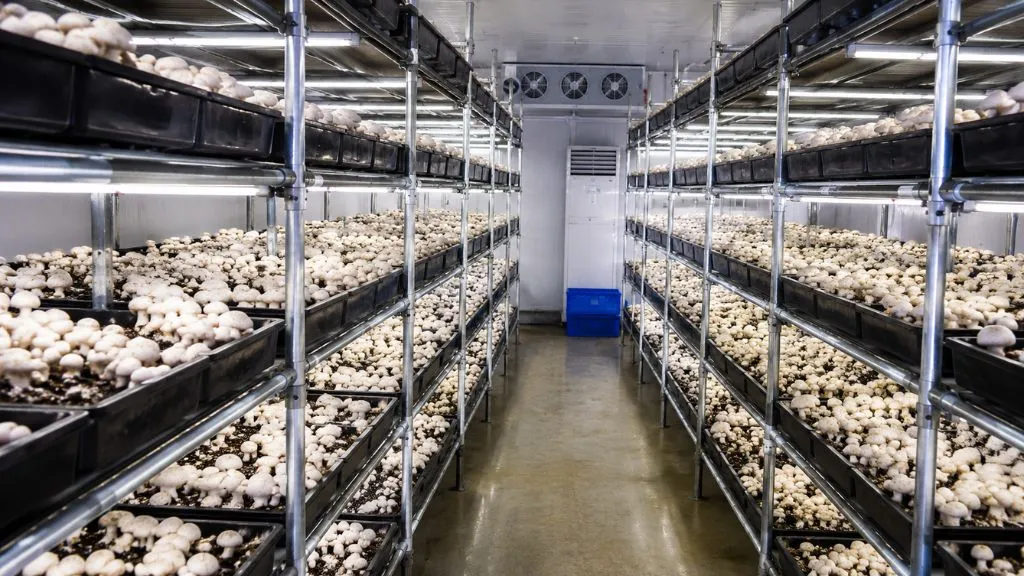
Mushrooms love dark, humid, climate-controlled environments, making them absolute superstars for indoor growing. You can easily turn a spare bedroom, basement, or dark room into a high-yielding mushroom hub.
Requirements: Wheat straw/paddy straw, mushroom spawn, PP bags, sprayers, and a temperature/humidity controller.
Cost Estimation: ₹20,000 – ₹50,000 for a small setup.
Pros: Utilizes vertical space; thrives in complete shade; huge year-round market demand.
Cons: Vulnerable to fungal contamination if hygiene isn't 100% spotless.
3. Saffron (Kesar) Farming in Climate-Controlled Rooms
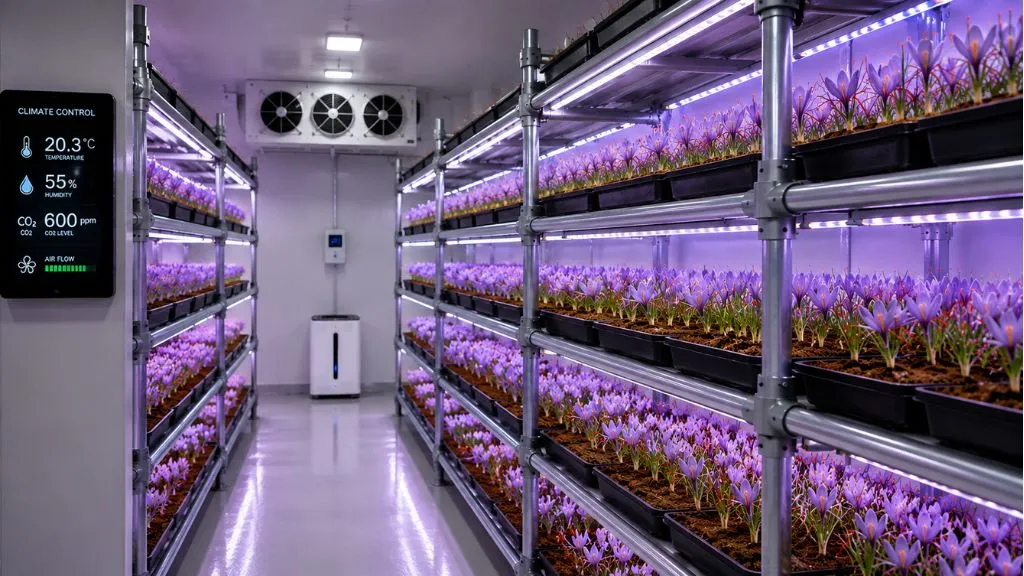
Growing Kashmir's "Red Gold" indoors used to sound like science fiction. Today, aeroponic indoor saffron farming uses precise LED lighting and temperature controls to bloom saffron bulbs inside simple rooms!
Requirements: Aeroponic vertical trays, HVAC cooling setup, humidity controls, and high-quality Crocus sativus corms (bulbs).
Cost Estimation: ₹2,500,000 – ₹5,000,000 (Requires serious initial investment).
Pros: Saffron sells for ₹2,500 to ₹3,500 per gram; massive ROI potential.
Cons: High setup cost; steep technical learning curve.
Also Check: Aeroponics Farming in India: Benefits, Cost & How It Works
4. Herb Indoor Farming (Basil, Mint, Parsley, Oregano)
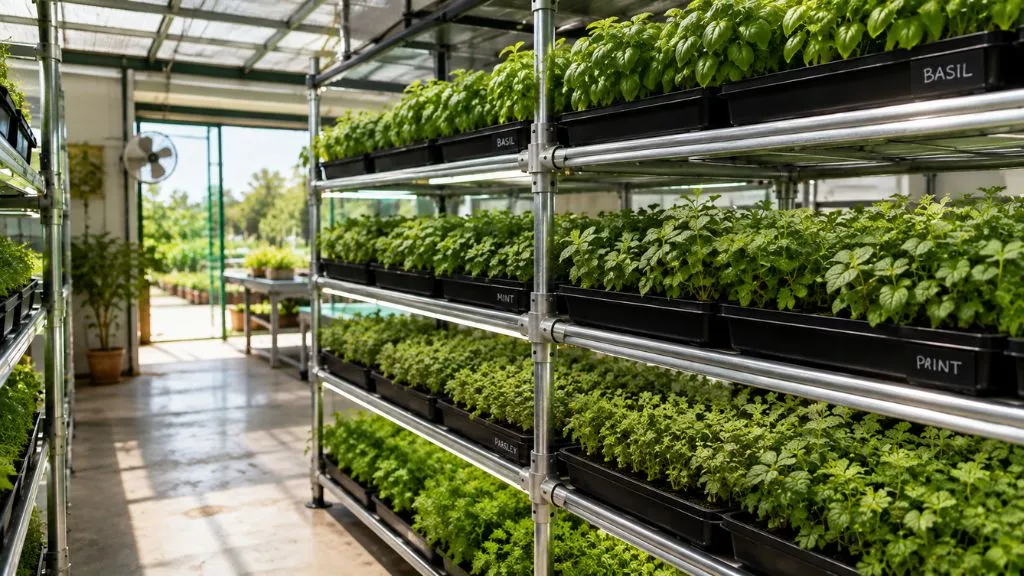
Chefs and home cooks are ditching wilted market herbs for fresh, aromatic ones. You can grow exotic culinary herbs indoors using small hydroponic channels or vertical pots.
Requirements: PVC hydroponic pipes/NFT systems, nutrient solutions, LED grow lights, and quality seeds.
Cost Estimation: ₹15,000 – ₹40,000.
Pros: Constant repeat orders from restaurants; quick growth turnaround.
Cons: Needs consistent daily monitoring of water pH and EC levels.
5. Salad Crop Farming (Lettuce, Spinach, Kale)
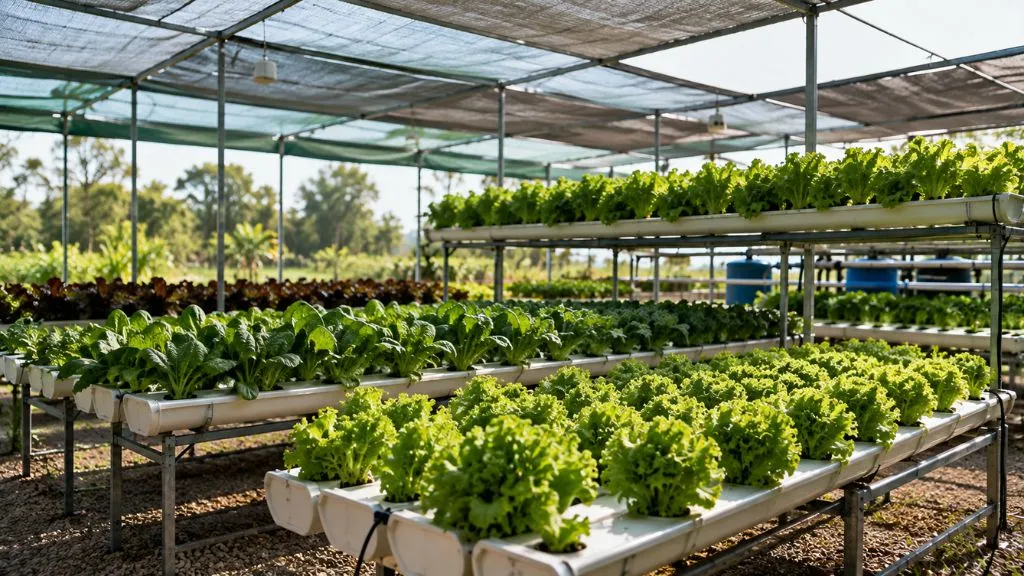
Leafy greens are the undisputed kings of indoor hydroponic farming. You can stack 5 to 6 layers of lettuce vertically, growing thousands of heads in a space no bigger than a single car garage.
Requirements: Vertical A-frame or NFT hydroponic rack, water pump, RO water setup, and grow lights.
Cost Estimation: ₹50,000 – ₹1,500,000 depending on scale.
Pros: Clean, pesticide-free greens sell at premium prices; fast growth.
Cons: Requires constant electrical backup for water pumps.
6. Nursery Business (Exotic & Ornamental Plants)
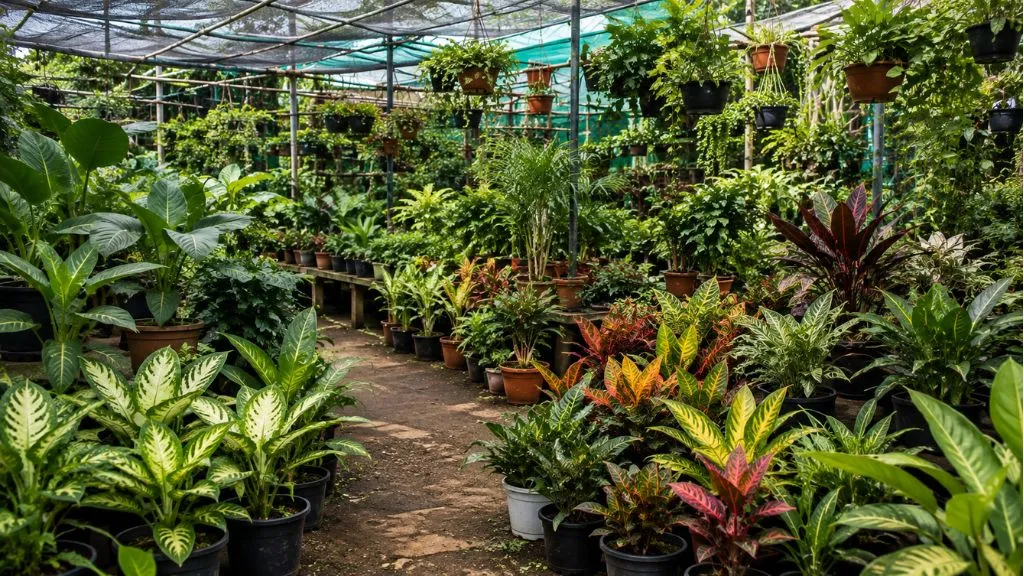
With urbanization booming, everyone wants a touch of green inside their apartments. Raising house plants, air-purifying indoor greens, and flowering saplings is one of the most reliable home farming ideas.
Requirements: Shade net/poly-house roof, seedling trays, potting mix, organic fertilizers, and mother plants.
Cost Estimation: ₹20,000 – ₹60,000.
Pros: High margins on decorative pots; easy to market on Instagram and local plant exhibitions.
Cons: Requires daily care, watering, and pest protection.
7. Indoor Strawberry Farming
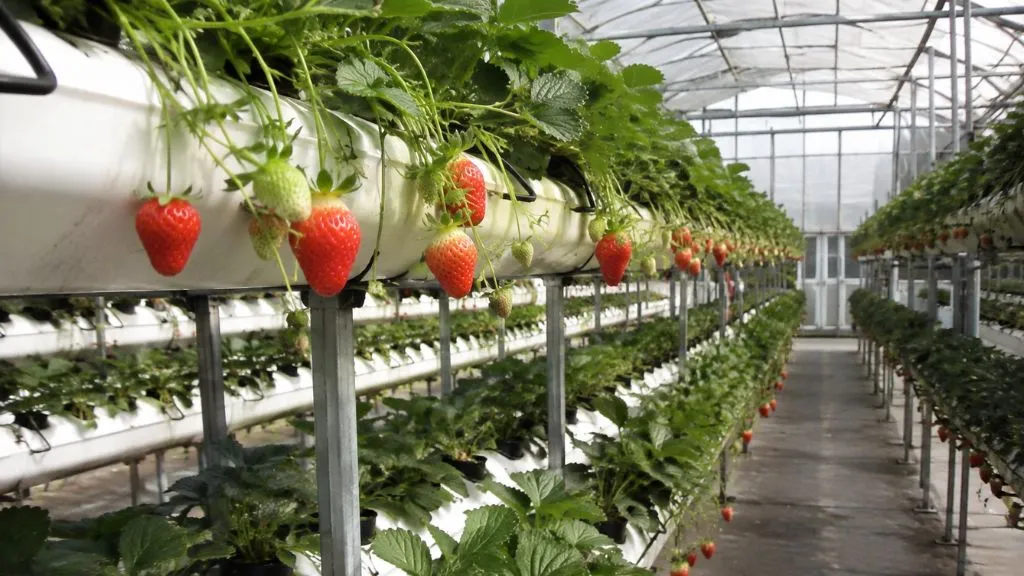
Strawberries are traditionally grown in cool hill stations like Mahabaleshwar. However, indoor tabletop hydroponic systems now make it easy to grow sweet, juicy strawberries anywhere in India!
Requirements: Hydroponic gutters/ Dutch buckets, drip irrigation, chillers for root temperature control, and disease-free runners.
Cost Estimation: ₹1,000,000 – ₹3,000,000 (Medium to large commercial indoor room).
Pros: Off-season strawberries fetch top-tier luxury market prices.
Cons: Highly sensitive to heat spikes and root pests.
Quick Data: Hydroponic indoor strawberry farming can produce up to 4 to 5 times more yield per square meter compared to open-field farming!
8. Rooftop Farming / Terrace Farming
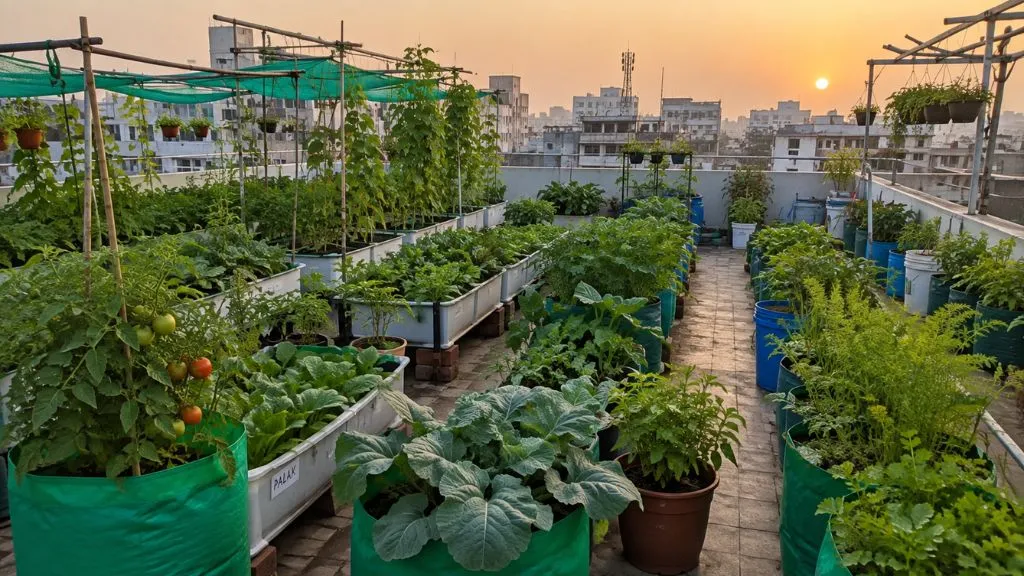
Got an empty terrace soaking in sunlight? Transform it into a urban micro-farm using poly-bags, raised beds, or vertical towers to supply fresh organic veggies to your local neighborhood.
Requirements: Water-proofing layer, lightweight growing media (coco peat + vermicompost), drip tubes, and shade nets.
Cost Estimation: ₹25,000 – ₹80,000.
Pros: Turns unused terrace space into steady income; excellent community engagement.
Cons: Must ensure proper roof waterproofing before starting.
9. Aloe Vera & Succulents Indoor Farming
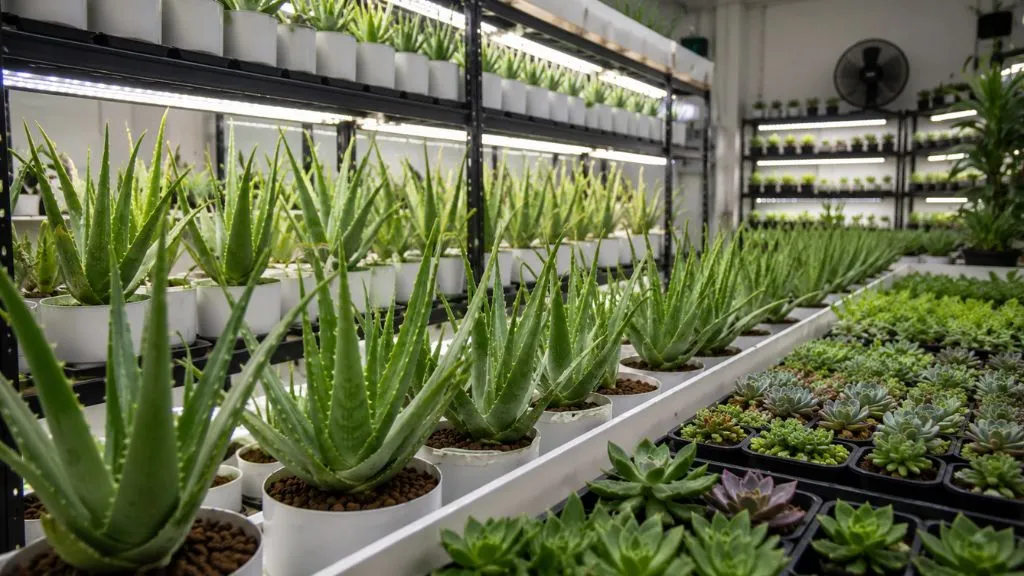
Succulents and indoor cacti are huge right now for desk decor, housewarming gifts, and balcony aesthetics. They require minimal water, making them remarkably low-maintenance indoor crops.
Requirements: Well-draining sandy soil mix, small terracotta/ceramic pots, mother plant cuttings, and bright indirect light.
Cost Estimation: ₹10,000 – ₹30,000.
Pros: Hard to kill; extremely low water requirements; easy to ship online.
Cons: Slower growth rate compared to leafy greens.
10. Bonsai Making and Plant Sculpture
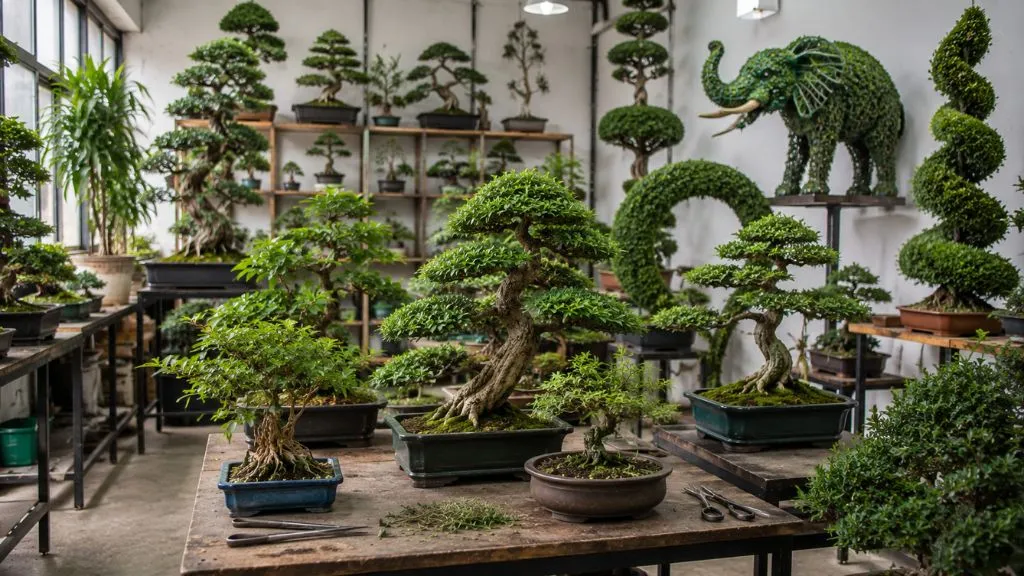
Bonsai is where botany meets high art. Transforming everyday tree saplings (like Ficus or Jade) into miniature, sculpted living art pieces can be an incredibly lucrative venture.
Requirements: Bonsai wires, specialized pruning tools, shallow pots, training pots, and healthy saplings.
Cost Estimation: ₹15,000 – ₹50,000.
Pros: Mature, well-sculpted Bonsai trees can sell anywhere from ₹2,000 to over ₹50,000 each!
Cons: Takes patience, trees require months to years of shaping.
11. Indoor Aquaculture / Aquaponics
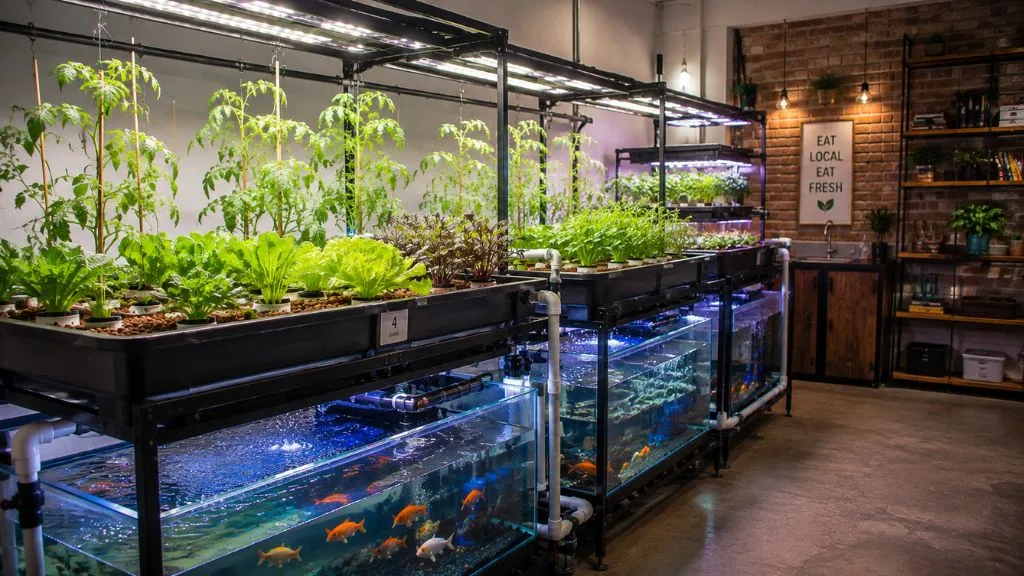
Why choose between fish and plants when you can do both? Aquaponics combines fish farming with indoor plant growing. The fish waste naturally fertilizes your plants, and the plants clean the water for the fish!
Requirements: Fish tanks (Tilapia or Carp), bio-filters, grow beds with clay pebbles, and water pumps.
Cost Estimation: ₹75,000 – ₹2,500,000.
Pros: Two income streams—fresh organic fish and chemical-free vegetables.
Cons: Needs a solid understanding of biological nitrogen cycles to keep both fish and plants healthy.
12. Essential Oil Processing (Small-Scale Distillation)
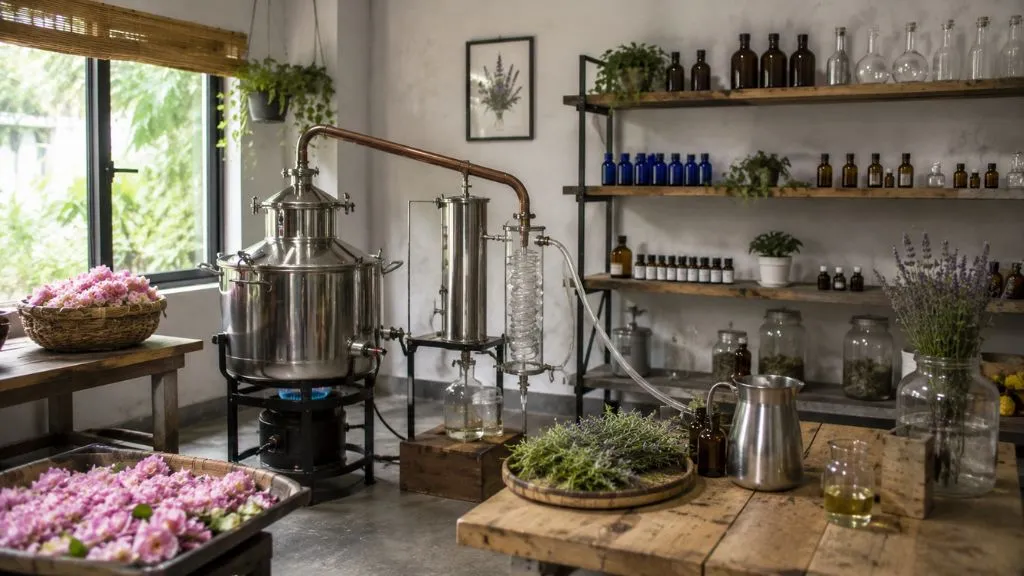
Instead of just selling raw herbs, process them! Running a small steam distillation unit indoors lets you extract pure essential oils from lemongrass, mint, eucalyptus, or lavender.
Requirements: Mini stainless-steel steam distillation unit, condenser, raw aromatic plant material, and dark glass bottles.
Cost Estimation: ₹60,000 – ₹1,500,000.
Pros: Essential oils have a long shelf life and fetch premium prices in cosmetics and aromatherapy.
Cons: Requires a steady supply of large quantities of raw green biomass.
13. Food Processing (Jams, Sauces, Ketchup, & Pickles)
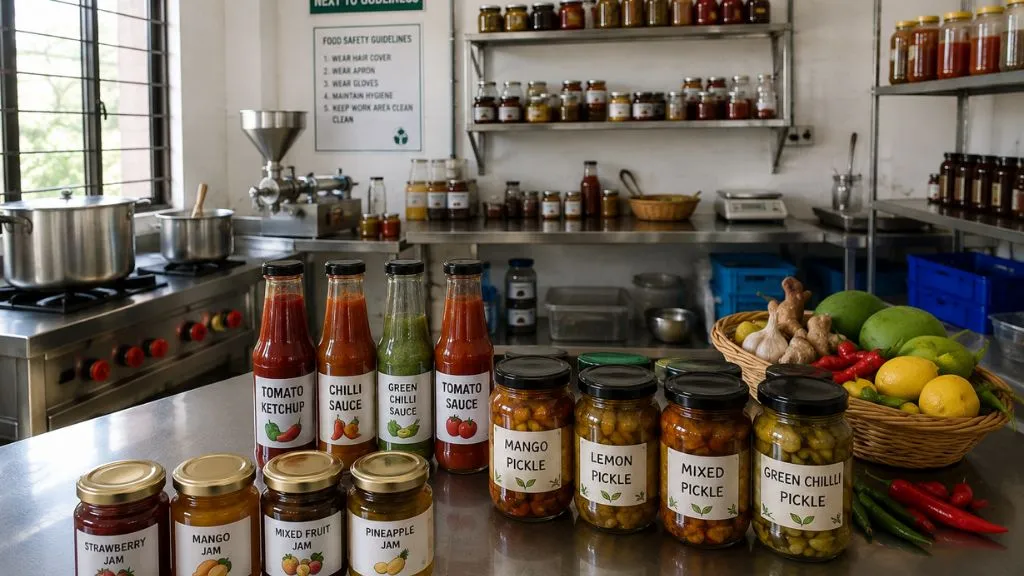
Value addition is where real money lives in agriculture. You can source fresh fruits and veggies from local farmers (or your own indoor yield) and create artisanal, preservative-free jams, hot sauces, and traditional pickles right from your home kitchen.
Requirements: Commercial cookers, sterilization equipment, jar sealing machines, FSSAI license, and attractive packaging.
Cost Estimation: ₹30,000 – ₹1,000,000.
Pros: Great profit margins; non-perishable compared to fresh raw produce.
Cons: Strict food safety and quality compliance rules.
14. Flour Milling & Specialty Grain Processing
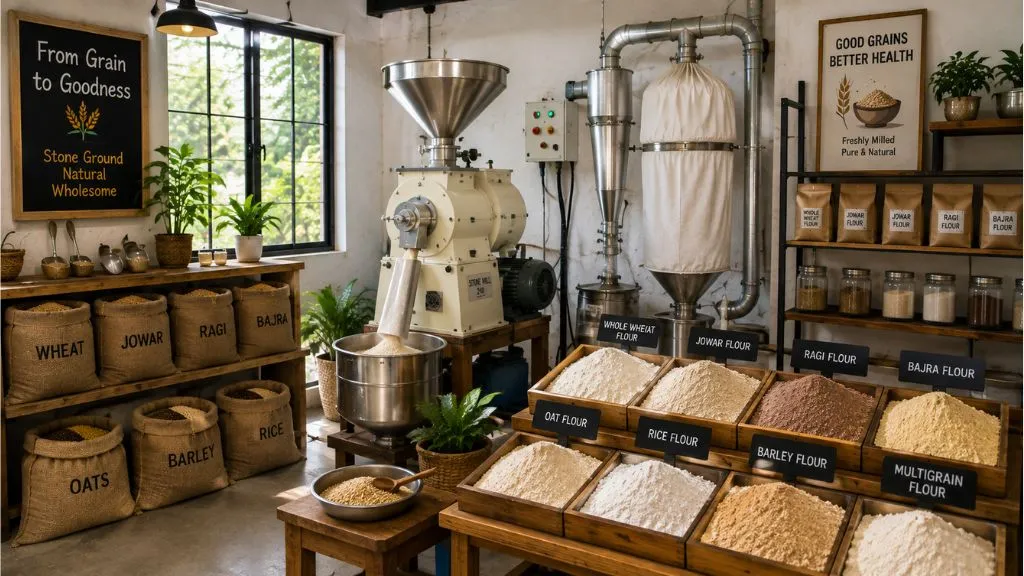
Consumers are moving away from mass-produced, refined flour. Setting up a small stone-ground mill (Atta Chakki) at home to produce fresh, unpolished multi-grain, ragi, or millet flour is a fantastic micro-business.
Requirements: Small-scale domestic/commercial stone flour mill, grain cleaning sieve, moisture meter, and eco-friendly pouch packaging.
Cost Estimation: ₹40,000 – ₹1,200,000.
Pros: High daily repeat demand; consumers gladly pay more for fresh, slow-milled flour.
Cons: Dust management and machinery maintenance are essential.
15. Incense Sticks (Agarbatti) Manufacturing using Floral Waste
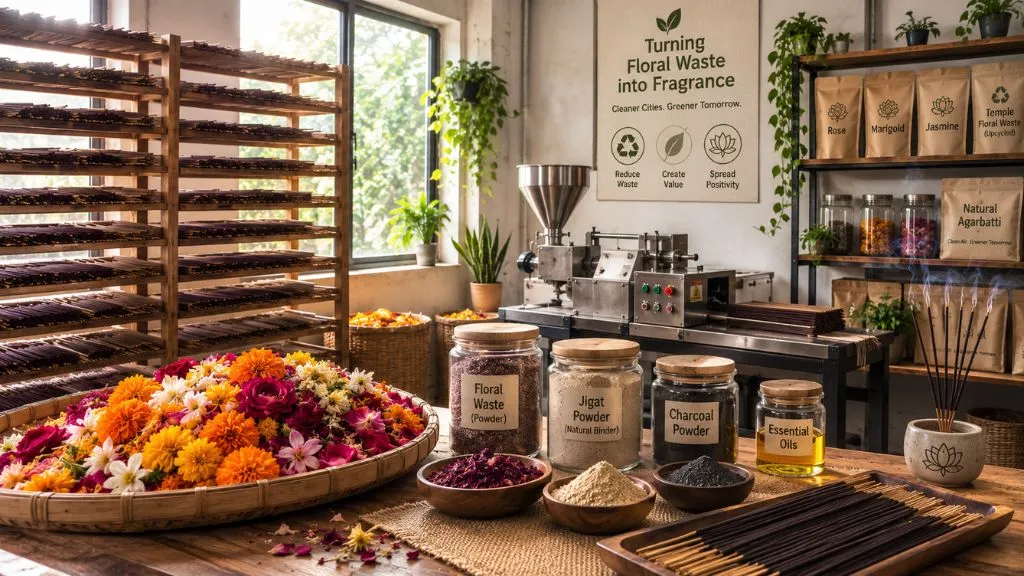
Did you know millions of flowers offered at temples end up in river waste? Collecting these discarded flowers, drying them indoors, and processing them into chemical-free, organic incense sticks is a sustainable, feel-good indoor business model.
Requirements: Flower drying racks, pulverizer machine, natural binders (jigat powder), charcoal-free base, and essential oils.
Cost Estimation: ₹25,000 – ₹70,000.
Pros: Low raw material cost; incredible eco-friendly brand narrative.
Cons: Labor-intensive rolling process unless automated.
How to Choose the Right Indoor Farming Business for You?
The landscape of Indian agriculture is shifting fast. You no longer need to inherit generational farmland or spend millions acquiring rural acres to call yourself a successful grower.
Whether you start with a ₹10,000 microgreen rack in your dining room or a full-scale rooftop hydroponic farm, the secret to a thriving indoor farming business comes down to three simple things: start small, master your environment, and focus on uncompromised quality.
At Swasya, our core philosophy has always centered around living in harmony with nature, whether that's through managed farmlands, supporting native soil ecosystems, or harvesting raw, chemical-free goodness. We believe that every step toward localized, sustainable food production makes our food systems stronger and healthier for generations to come.
So, which of these farming business ideas in India are you going to test out first? Pick one, start experimenting, and let's bring the future of farming right under our roofs!
FAQs
1: What is the most profitable indoor farming business in India?
Saffron (Kesar) and Microgreen farming yield the highest returns per square foot, making them top picks for low-space, high-profit setups.
2: How much investment do I need to start home farming in India?
You can launch a basic microgreen or nursery setup with as little as ₹5,000 to ₹15,000, while tech-heavy setups like hydroponics require ₹50,000+.
3: Can I run an indoor farming business without agricultural land?
Yes! Indoor farming thrives in spare rooms, basements, and terraces using vertical racks, grow lights, or hydroponic trays.
4: Which indoor crops grow the fastest for quick returns?
Microgreens take just 7 to 14 days from seed to harvest, giving you the fastest cash-flow cycle in urban agriculture.
5: Is indoor hydroponic farming profitable in Indian cities?
Absolutely, urban cafes, health-conscious homes, and luxury dining spots actively pay top rupee for fresh, pesticide-free greens delivered locally.
Starting a farming business in India doesn't always mean buying acres of agricultural land. With hydroponics, vertical farming, climate-controlled growing systems and small-scale food processing, entrepreneurs can now turn a spare room, terrace, shed or other unused space into a productive business.
From fast-growing microgreens and mushrooms to premium saffron, hydroponic vegetables, plant nurseries and value-added food products, there are plenty of indoor farming business ideas in India that can be started on a relatively small footprint. The right option, however, depends on your budget, available space, technical skills, local demand and ability to find reliable buyers.
In this guide, we'll explore 15 profitable indoor farming and small-space agricultural business ideas for 2026, including their basic requirements, estimated startup costs, advantages and challenges. We'll also look at how sustainable farming models can create value beyond simply growing and selling a crop.
Indoor Farming Ideas Compared: Investment, Space & Difficulty
Business | Space Needed | Starting Cost | Difficulty | Harvest/Revenue Speed |
|---|---|---|---|---|
Microgreens | Very small | Low | Easy–Moderate | Fast |
Mushrooms | Small | Low–Moderate | Moderate | Fast |
Herbs | Small | Low–Moderate | Moderate | Fast |
Plant Nursery | Small–Medium | Low–Moderate | Easy | Moderate |
Terrace Farming | Medium | Moderate | Moderate | Moderate |
Hydroponic Greens | Medium | Moderate–High | Moderate–High | Fast |
Saffron | Small–Medium | High | High | Slow/Technical |
15 Best Indoor Farming Business Ideas in India for Small Spaces
1. Microgreen Farming
Microgreens are basically baby plants harvested just 7–14 days after germination. High-end restaurants, fitness coaches, and health-conscious homes are constantly hunting for fresh, nutrient-dense microgreens.
Requirements: Trays, Coco peat, grow lights (or good sunlight), seeds (radish, mustard, broccoli), and a rack system.
Cost Estimation: ₹5,000 – ₹15,000 to start.
Pros: Ultra-fast harvest cycle (2 weeks!); insanely high profit margin per square foot.
Cons: Very short shelf life; requires direct marketing to local cafes and health food buyers.
Fun Fact: Microgreens can pack up to 40 times more nutrient density than their fully grown adult vegetable counterparts!
2. Mushroom Indoor Farming (Oyster & Button)
Mushrooms love dark, humid, climate-controlled environments, making them absolute superstars for indoor growing. You can easily turn a spare bedroom, basement, or dark room into a high-yielding mushroom hub.
Requirements: Wheat straw/paddy straw, mushroom spawn, PP bags, sprayers, and a temperature/humidity controller.
Cost Estimation: ₹20,000 – ₹50,000 for a small setup.
Pros: Utilizes vertical space; thrives in complete shade; huge year-round market demand.
Cons: Vulnerable to fungal contamination if hygiene isn't 100% spotless.
3. Saffron (Kesar) Farming in Climate-Controlled Rooms
Growing Kashmir's "Red Gold" indoors used to sound like science fiction. Today, aeroponic indoor saffron farming uses precise LED lighting and temperature controls to bloom saffron bulbs inside simple rooms!
Requirements: Aeroponic vertical trays, HVAC cooling setup, humidity controls, and high-quality Crocus sativus corms (bulbs).
Cost Estimation: ₹2,500,000 – ₹5,000,000 (Requires serious initial investment).
Pros: Saffron sells for ₹2,500 to ₹3,500 per gram; massive ROI potential.
Cons: High setup cost; steep technical learning curve.
Also Check: Aeroponics Farming in India: Benefits, Cost & How It Works
4. Herb Indoor Farming (Basil, Mint, Parsley, Oregano)
Chefs and home cooks are ditching wilted market herbs for fresh, aromatic ones. You can grow exotic culinary herbs indoors using small hydroponic channels or vertical pots.
Requirements: PVC hydroponic pipes/NFT systems, nutrient solutions, LED grow lights, and quality seeds.
Cost Estimation: ₹15,000 – ₹40,000.
Pros: Constant repeat orders from restaurants; quick growth turnaround.
Cons: Needs consistent daily monitoring of water pH and EC levels.
5. Salad Crop Farming (Lettuce, Spinach, Kale)
Leafy greens are the undisputed kings of indoor hydroponic farming. You can stack 5 to 6 layers of lettuce vertically, growing thousands of heads in a space no bigger than a single car garage.
Requirements: Vertical A-frame or NFT hydroponic rack, water pump, RO water setup, and grow lights.
Cost Estimation: ₹50,000 – ₹1,500,000 depending on scale.
Pros: Clean, pesticide-free greens sell at premium prices; fast growth.
Cons: Requires constant electrical backup for water pumps.
6. Nursery Business (Exotic & Ornamental Plants)
With urbanization booming, everyone wants a touch of green inside their apartments. Raising house plants, air-purifying indoor greens, and flowering saplings is one of the most reliable home farming ideas.
Requirements: Shade net/poly-house roof, seedling trays, potting mix, organic fertilizers, and mother plants.
Cost Estimation: ₹20,000 – ₹60,000.
Pros: High margins on decorative pots; easy to market on Instagram and local plant exhibitions.
Cons: Requires daily care, watering, and pest protection.
7. Indoor Strawberry Farming
Strawberries are traditionally grown in cool hill stations like Mahabaleshwar. However, indoor tabletop hydroponic systems now make it easy to grow sweet, juicy strawberries anywhere in India!
Requirements: Hydroponic gutters/ Dutch buckets, drip irrigation, chillers for root temperature control, and disease-free runners.
Cost Estimation: ₹1,000,000 – ₹3,000,000 (Medium to large commercial indoor room).
Pros: Off-season strawberries fetch top-tier luxury market prices.
Cons: Highly sensitive to heat spikes and root pests.
Quick Data: Hydroponic indoor strawberry farming can produce up to 4 to 5 times more yield per square meter compared to open-field farming!
8. Rooftop Farming / Terrace Farming
Got an empty terrace soaking in sunlight? Transform it into a urban micro-farm using poly-bags, raised beds, or vertical towers to supply fresh organic veggies to your local neighborhood.
Requirements: Water-proofing layer, lightweight growing media (coco peat + vermicompost), drip tubes, and shade nets.
Cost Estimation: ₹25,000 – ₹80,000.
Pros: Turns unused terrace space into steady income; excellent community engagement.
Cons: Must ensure proper roof waterproofing before starting.
9. Aloe Vera & Succulents Indoor Farming
Succulents and indoor cacti are huge right now for desk decor, housewarming gifts, and balcony aesthetics. They require minimal water, making them remarkably low-maintenance indoor crops.
Requirements: Well-draining sandy soil mix, small terracotta/ceramic pots, mother plant cuttings, and bright indirect light.
Cost Estimation: ₹10,000 – ₹30,000.
Pros: Hard to kill; extremely low water requirements; easy to ship online.
Cons: Slower growth rate compared to leafy greens.
10. Bonsai Making and Plant Sculpture
Bonsai is where botany meets high art. Transforming everyday tree saplings (like Ficus or Jade) into miniature, sculpted living art pieces can be an incredibly lucrative venture.
Requirements: Bonsai wires, specialized pruning tools, shallow pots, training pots, and healthy saplings.
Cost Estimation: ₹15,000 – ₹50,000.
Pros: Mature, well-sculpted Bonsai trees can sell anywhere from ₹2,000 to over ₹50,000 each!
Cons: Takes patience, trees require months to years of shaping.
11. Indoor Aquaculture / Aquaponics
Why choose between fish and plants when you can do both? Aquaponics combines fish farming with indoor plant growing. The fish waste naturally fertilizes your plants, and the plants clean the water for the fish!
Requirements: Fish tanks (Tilapia or Carp), bio-filters, grow beds with clay pebbles, and water pumps.
Cost Estimation: ₹75,000 – ₹2,500,000.
Pros: Two income streams—fresh organic fish and chemical-free vegetables.
Cons: Needs a solid understanding of biological nitrogen cycles to keep both fish and plants healthy.
12. Essential Oil Processing (Small-Scale Distillation)
Instead of just selling raw herbs, process them! Running a small steam distillation unit indoors lets you extract pure essential oils from lemongrass, mint, eucalyptus, or lavender.
Requirements: Mini stainless-steel steam distillation unit, condenser, raw aromatic plant material, and dark glass bottles.
Cost Estimation: ₹60,000 – ₹1,500,000.
Pros: Essential oils have a long shelf life and fetch premium prices in cosmetics and aromatherapy.
Cons: Requires a steady supply of large quantities of raw green biomass.
13. Food Processing (Jams, Sauces, Ketchup, & Pickles)
Value addition is where real money lives in agriculture. You can source fresh fruits and veggies from local farmers (or your own indoor yield) and create artisanal, preservative-free jams, hot sauces, and traditional pickles right from your home kitchen.
Requirements: Commercial cookers, sterilization equipment, jar sealing machines, FSSAI license, and attractive packaging.
Cost Estimation: ₹30,000 – ₹1,000,000.
Pros: Great profit margins; non-perishable compared to fresh raw produce.
Cons: Strict food safety and quality compliance rules.
14. Flour Milling & Specialty Grain Processing
Consumers are moving away from mass-produced, refined flour. Setting up a small stone-ground mill (Atta Chakki) at home to produce fresh, unpolished multi-grain, ragi, or millet flour is a fantastic micro-business.
Requirements: Small-scale domestic/commercial stone flour mill, grain cleaning sieve, moisture meter, and eco-friendly pouch packaging.
Cost Estimation: ₹40,000 – ₹1,200,000.
Pros: High daily repeat demand; consumers gladly pay more for fresh, slow-milled flour.
Cons: Dust management and machinery maintenance are essential.
15. Incense Sticks (Agarbatti) Manufacturing using Floral Waste
Did you know millions of flowers offered at temples end up in river waste? Collecting these discarded flowers, drying them indoors, and processing them into chemical-free, organic incense sticks is a sustainable, feel-good indoor business model.
Requirements: Flower drying racks, pulverizer machine, natural binders (jigat powder), charcoal-free base, and essential oils.
Cost Estimation: ₹25,000 – ₹70,000.
Pros: Low raw material cost; incredible eco-friendly brand narrative.
Cons: Labor-intensive rolling process unless automated.
How to Choose the Right Indoor Farming Business for You?
The landscape of Indian agriculture is shifting fast. You no longer need to inherit generational farmland or spend millions acquiring rural acres to call yourself a successful grower.
Whether you start with a ₹10,000 microgreen rack in your dining room or a full-scale rooftop hydroponic farm, the secret to a thriving indoor farming business comes down to three simple things: start small, master your environment, and focus on uncompromised quality.
At Swasya, our core philosophy has always centered around living in harmony with nature, whether that's through managed farmlands, supporting native soil ecosystems, or harvesting raw, chemical-free goodness. We believe that every step toward localized, sustainable food production makes our food systems stronger and healthier for generations to come.
So, which of these farming business ideas in India are you going to test out first? Pick one, start experimenting, and let's bring the future of farming right under our roofs!
FAQs
1: What is the most profitable indoor farming business in India?
Saffron (Kesar) and Microgreen farming yield the highest returns per square foot, making them top picks for low-space, high-profit setups.
2: How much investment do I need to start home farming in India?
You can launch a basic microgreen or nursery setup with as little as ₹5,000 to ₹15,000, while tech-heavy setups like hydroponics require ₹50,000+.
3: Can I run an indoor farming business without agricultural land?
Yes! Indoor farming thrives in spare rooms, basements, and terraces using vertical racks, grow lights, or hydroponic trays.
4: Which indoor crops grow the fastest for quick returns?
Microgreens take just 7 to 14 days from seed to harvest, giving you the fastest cash-flow cycle in urban agriculture.
5: Is indoor hydroponic farming profitable in Indian cities?
Absolutely, urban cafes, health-conscious homes, and luxury dining spots actively pay top rupee for fresh, pesticide-free greens delivered locally.
Akshata
You Might Also Like



Subscribe to the Swasya
newsletter
Discover insights about sustainable farming, investment opportunities, and the future of agriculture.
By subscribing, you agree to the Privacy Policy
Subscribe to the Swasya
newsletter
Discover insights about sustainable farming, investment opportunities, and the future of agriculture.
By subscribing, you agree to the Privacy Policy