Farming
How Is Coffee Grown, Harvested & Processed at Swasya?
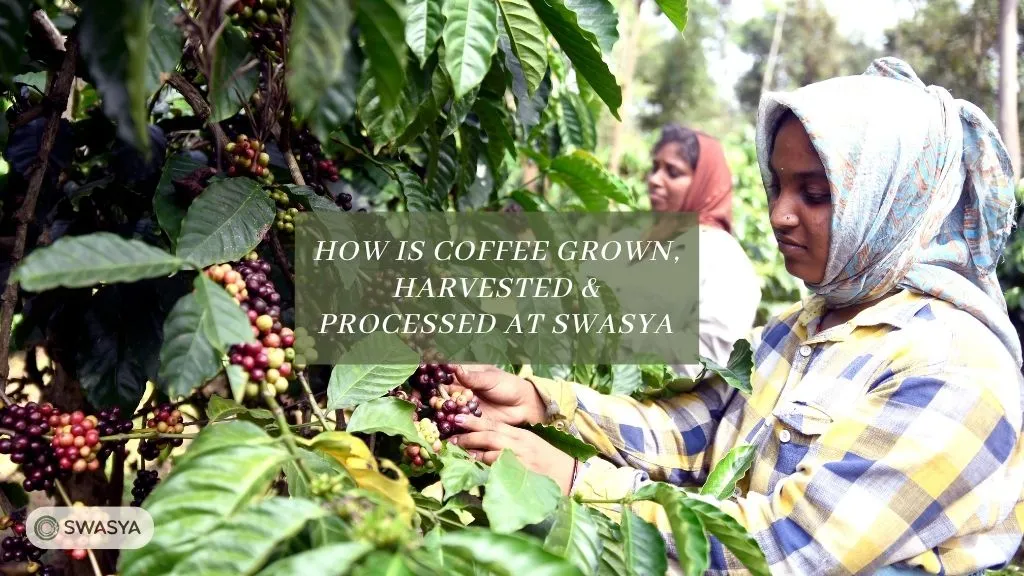
There is something special about drinking coffee at a coffee estate. You are not just looking at a cup anymore, you can actually see where it began.
At Sannidhi Ecofarms in Sakleshpur, Arabica coffee grows among thousands of trees, pepper, arecanut and other vegetation. Set in a lush coffee estate in Sakleshpur, the 38-acre managed farmland is home to more than 16,000 trees, creating a diverse plantation ecosystem.
But have you ever wondered how coffee is grown and harvested, or how coffee is grown and processed before those familiar beans make their way into your cup?
In this guide, we follow the coffee journey from planting and flowering to cherry development, harvesting and processing at swasya, while looking at why Sakleshpur's climate and plantation environment are well suited to coffee cultivation.
How Is Coffee Grown? From Flower to Coffee Cherry
Coffee doesn't begin with a red cherry. It begins with a plant, and a lot of patience.
Sannidhi grows Arabica coffee, a variety known for its aroma and generally associated with cooler growing conditions and higher elevations. Arabica also needs more care and shade than Robusta, making the surrounding ecosystem an important part of coffee cultivation.
That is one reason a coffee estate is so much more than rows of coffee plants.
At Sannidhi, coffee grows alongside other plants and trees, creating a diverse farm environment. Swasya's farm management approach includes soil testing, drip irrigation, plantation planning, fertilisation, pruning and seasonal crop care, with an on-ground team looking after the agricultural operations.
And then comes the waiting.
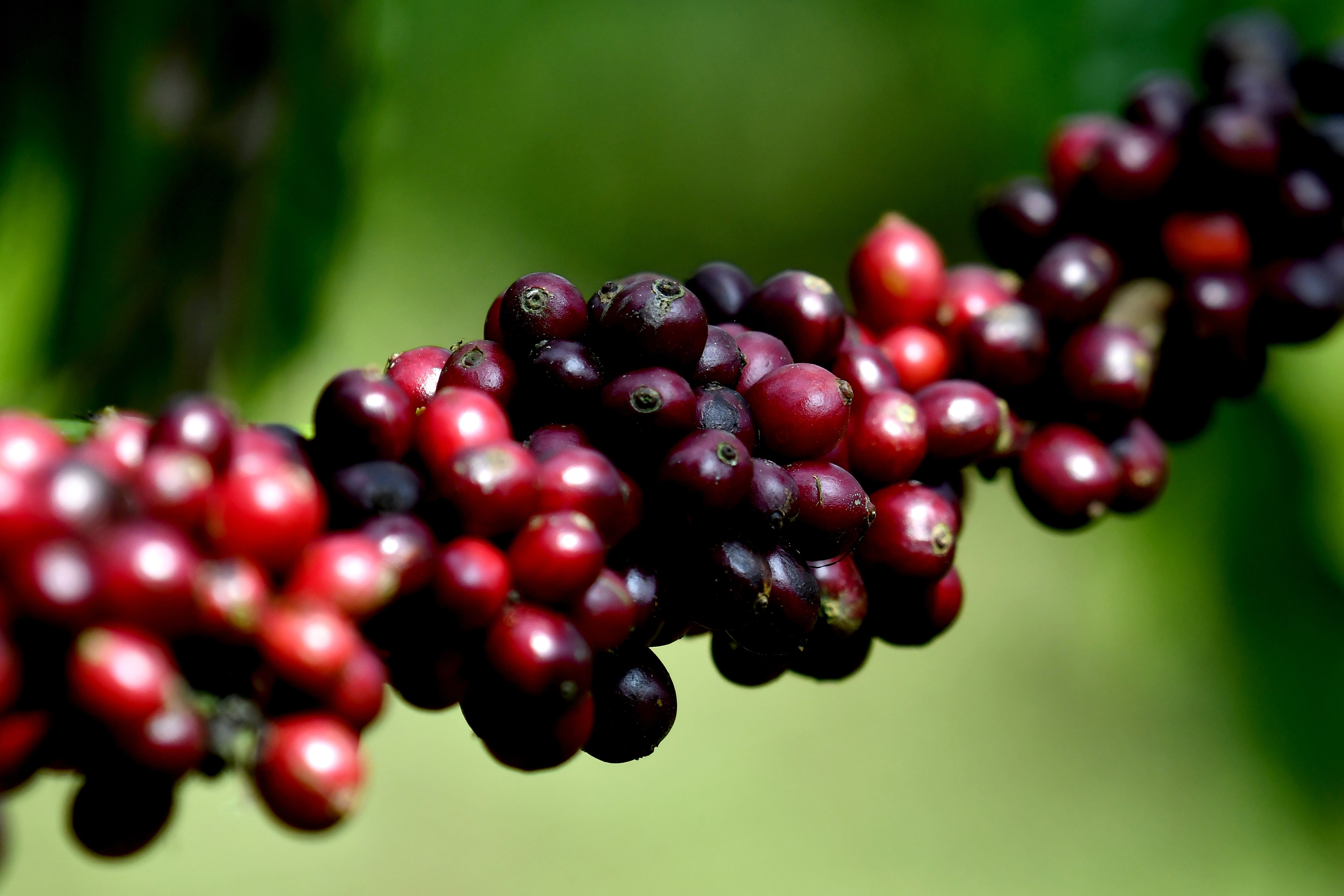
Coffee plants flower, develop green berries and, over time, those berries mature into the familiar red coffee cherries.
Why Is Sakleshpur Suitable for Growing Coffee?

If you've ever searched for a coffee estate in Sakleshpur, you've probably seen the same words again and again: rain, mist, green hills and shade.
And there is a reason.
Sakleshpur's landscape provides the kind of cool, wet environment associated with coffee-growing regions of the Western Ghats. The coffee estate Sakleshpur rain receives is part of what gives the region its lush character, while the misty mornings create that unmistakable Sakleshpur experience.
But rain alone doesn't grow good coffee.
Coffee needs the right combination of climate, soil, shade, water and careful farm management. That's why growing coffee is a year-round process rather than something that begins at harvest time.
How Is Coffee Harvested? Understanding Coffee Picking
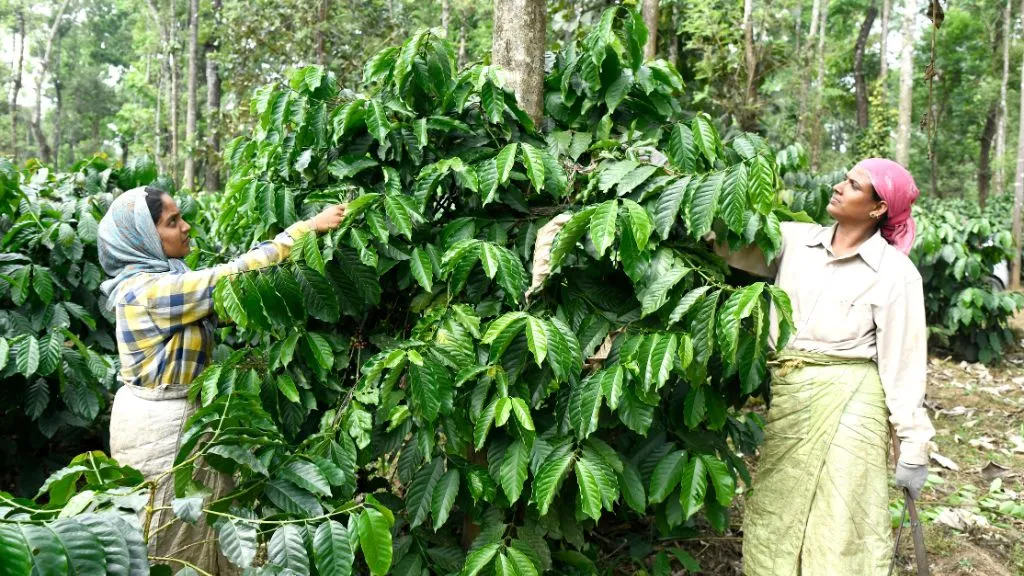
This is where those beautiful red cherries you've seen on coffee plants finally matter.
The cherries don't all ripen at exactly the same time. Ideally, ripe cherries are selectively picked, while green and overripe fruits are separated because their presence can affect coffee quality. The Coffee Board recommends picking ripe fruits and processing them promptly after harvest.
For Arabica in India's southern coffee-growing regions, harvesting generally falls around November to January, although the exact timing can vary with local conditions and the season.
So when you see workers carefully picking coffee cherries at Sannidhi, it isn't simply a matter of collecting everything from the plant. Timing and selection matter.
How Is Coffee Processed After Harvesting?
Once the coffee cherries are harvested, the journey isn't over. This is where an important part of how coffee is grown and processed begins. Turning freshly picked cherries into coffee beans ready for the next stage.
At a coffee estate in Sakleshpur, coffee processing typically begins soon after harvesting. Coffee can broadly be processed using wet or dry methods. In wet processing, ripe cherries are sorted, pulped to remove the outer fruit, fermented, washed and then dried. In dry processing, the whole cherries are dried before the beans are separated from the dried fruit.
This is why coffee harvesting and processing need careful handling. Delays after picking, improper drying or excess moisture can affect coffee quality and storage.
So, when you wonder how is coffee grown and harvested, remember that picking the red cherry is only one part of the story. Coffee cultivation, harvesting and processing all play a role in what eventually ends up in your cup.
From Coffee Plantation to Cup: What Makes Sannidhi Eco Farms Different?
Maybe that's what makes a coffee estate in Sakleshpur so interesting.
The coffee isn't growing in isolation. At Sannidhi Ecofarms in sakleshpur, Arabica coffee exists as part of a larger managed agricultural ecosystem with pepper, arecanut, trees, water bodies and natural surroundings.
And if you've ever imagined a staycation at a coffee estate in Sakleshpur, this is where the experience becomes even more appealing.
You wake up to green canopies, misty mornings and the smell of a working coffee plantation, not just a resort designed to look like one.
So the next time you search for the latest coffee estate in Sakleshpur, or dream about a coffee-estate stay surrounded by rain and mist, remember what you're actually looking at.
Every cup of coffee has a story before it reaches your table. At Swasya, that story begins in the soil, grows under the shade, ripens into a cherry and is carefully carried forward from farm to cup.
Book a Site Visit to Explore Swasya Coffee Estates
FAQs
1. How is coffee grown and harvested?
Coffee grows under suitable shade and climate conditions, with ripe cherries selectively harvested once they mature.
2. How is coffee grown and processed?
Coffee cherries are harvested, sorted and processed using methods such as wet or dry processing before drying and further preparation.
3. Why is Sakleshpur famous for coffee estates?
Sakleshpur’s cool climate, seasonal rain, misty hills and Western Ghats landscape make it well suited to coffee cultivation.
4. What makes a coffee estate in Sakleshpur special?
The combination of coffee plantations, dense greenery, rain and mist creates the distinctive coffee-estate experience Sakleshpur is known for.
5. Can you stay at a coffee estate in Sakleshpur?
Yes, several coffee estates and farm communities offer stays, making a coffee-estate staycation a popular way to experience plantation life.
6. When is the best time to visit a coffee estate in Sakleshpur?
The best time depends on the experience you want, from lush monsoon greenery and mist to the coffee harvest season later in the year.
There is something special about drinking coffee at a coffee estate. You are not just looking at a cup anymore, you can actually see where it began.
At Sannidhi Ecofarms in Sakleshpur, Arabica coffee grows among thousands of trees, pepper, arecanut and other vegetation. Set in a lush coffee estate in Sakleshpur, the 38-acre managed farmland is home to more than 16,000 trees, creating a diverse plantation ecosystem.
But have you ever wondered how coffee is grown and harvested, or how coffee is grown and processed before those familiar beans make their way into your cup?
In this guide, we follow the coffee journey from planting and flowering to cherry development, harvesting and processing at swasya, while looking at why Sakleshpur's climate and plantation environment are well suited to coffee cultivation.
How Is Coffee Grown? From Flower to Coffee Cherry
Coffee doesn't begin with a red cherry. It begins with a plant, and a lot of patience.
Sannidhi grows Arabica coffee, a variety known for its aroma and generally associated with cooler growing conditions and higher elevations. Arabica also needs more care and shade than Robusta, making the surrounding ecosystem an important part of coffee cultivation.
That is one reason a coffee estate is so much more than rows of coffee plants.
At Sannidhi, coffee grows alongside other plants and trees, creating a diverse farm environment. Swasya's farm management approach includes soil testing, drip irrigation, plantation planning, fertilisation, pruning and seasonal crop care, with an on-ground team looking after the agricultural operations.
And then comes the waiting.
Coffee plants flower, develop green berries and, over time, those berries mature into the familiar red coffee cherries.
Why Is Sakleshpur Suitable for Growing Coffee?
If you've ever searched for a coffee estate in Sakleshpur, you've probably seen the same words again and again: rain, mist, green hills and shade.
And there is a reason.
Sakleshpur's landscape provides the kind of cool, wet environment associated with coffee-growing regions of the Western Ghats. The coffee estate Sakleshpur rain receives is part of what gives the region its lush character, while the misty mornings create that unmistakable Sakleshpur experience.
But rain alone doesn't grow good coffee.
Coffee needs the right combination of climate, soil, shade, water and careful farm management. That's why growing coffee is a year-round process rather than something that begins at harvest time.
How Is Coffee Harvested? Understanding Coffee Picking
This is where those beautiful red cherries you've seen on coffee plants finally matter.
The cherries don't all ripen at exactly the same time. Ideally, ripe cherries are selectively picked, while green and overripe fruits are separated because their presence can affect coffee quality. The Coffee Board recommends picking ripe fruits and processing them promptly after harvest.
For Arabica in India's southern coffee-growing regions, harvesting generally falls around November to January, although the exact timing can vary with local conditions and the season.
So when you see workers carefully picking coffee cherries at Sannidhi, it isn't simply a matter of collecting everything from the plant. Timing and selection matter.
How Is Coffee Processed After Harvesting?
Once the coffee cherries are harvested, the journey isn't over. This is where an important part of how coffee is grown and processed begins. Turning freshly picked cherries into coffee beans ready for the next stage.
At a coffee estate in Sakleshpur, coffee processing typically begins soon after harvesting. Coffee can broadly be processed using wet or dry methods. In wet processing, ripe cherries are sorted, pulped to remove the outer fruit, fermented, washed and then dried. In dry processing, the whole cherries are dried before the beans are separated from the dried fruit.
This is why coffee harvesting and processing need careful handling. Delays after picking, improper drying or excess moisture can affect coffee quality and storage.
So, when you wonder how is coffee grown and harvested, remember that picking the red cherry is only one part of the story. Coffee cultivation, harvesting and processing all play a role in what eventually ends up in your cup.
From Coffee Plantation to Cup: What Makes Sannidhi Eco Farms Different?
Maybe that's what makes a coffee estate in Sakleshpur so interesting.
The coffee isn't growing in isolation. At Sannidhi Ecofarms in sakleshpur, Arabica coffee exists as part of a larger managed agricultural ecosystem with pepper, arecanut, trees, water bodies and natural surroundings.
And if you've ever imagined a staycation at a coffee estate in Sakleshpur, this is where the experience becomes even more appealing.
You wake up to green canopies, misty mornings and the smell of a working coffee plantation, not just a resort designed to look like one.
So the next time you search for the latest coffee estate in Sakleshpur, or dream about a coffee-estate stay surrounded by rain and mist, remember what you're actually looking at.
Every cup of coffee has a story before it reaches your table. At Swasya, that story begins in the soil, grows under the shade, ripens into a cherry and is carefully carried forward from farm to cup.
Book a Site Visit to Explore Swasya Coffee Estates
FAQs
1. How is coffee grown and harvested?
Coffee grows under suitable shade and climate conditions, with ripe cherries selectively harvested once they mature.
2. How is coffee grown and processed?
Coffee cherries are harvested, sorted and processed using methods such as wet or dry processing before drying and further preparation.
3. Why is Sakleshpur famous for coffee estates?
Sakleshpur’s cool climate, seasonal rain, misty hills and Western Ghats landscape make it well suited to coffee cultivation.
4. What makes a coffee estate in Sakleshpur special?
The combination of coffee plantations, dense greenery, rain and mist creates the distinctive coffee-estate experience Sakleshpur is known for.
5. Can you stay at a coffee estate in Sakleshpur?
Yes, several coffee estates and farm communities offer stays, making a coffee-estate staycation a popular way to experience plantation life.
6. When is the best time to visit a coffee estate in Sakleshpur?
The best time depends on the experience you want, from lush monsoon greenery and mist to the coffee harvest season later in the year.
Akshata
You Might Also Like



Subscribe to the Swasya
newsletter
Discover insights about sustainable farming, investment opportunities, and the future of agriculture.
By subscribing, you agree to the Privacy Policy
Subscribe to the Swasya
newsletter
Discover insights about sustainable farming, investment opportunities, and the future of agriculture.
By subscribing, you agree to the Privacy Policy