Farmland Community
What Makes a Farmland Community More Than Just a Real Estate Project?

Buying a piece of farmland is one thing. Knowing how it will be maintained, developed and used after the purchase is another.
That's where a farmland community differs from a conventional real estate project. It combines individual land ownership with agricultural activities, land management, shared infrastructure and community experiences. Depending on the project, owners may also have access to cottages, recreational facilities and common spaces.
Instead of purchasing an empty plot and arranging everything independently, buyers become part of a planned environment built around farmland, nature and community living.
But what exactly makes a farmland community different from a regular plotted development? And what should buyers understand before choosing one?
What Is a Farmland Community?
A farmland community is a planned development where people own individual parcels of agricultural land while being part of a larger managed environment.
The land may support plantations, farming activities, and shared spaces. Depending on the project, owners may also have access to cottages or common facilities like gym, clubhouse, swimming pools, community kitchen.
Think of it this way: buying a regular plot gives you a piece of land. A farmland community aims to offer a more connected experience, where the land is developed, cared for, and used over time.
How Is a Farmland Community Different from a Real Estate Project?
The biggest difference is what happens beyond the purchase.
A conventional plotted development generally focuses on land parcels, access roads, and basic infrastructure. A managed farmland community has a wider focus. It brings agricultural use and ongoing land management into the picture.
Here are a few differences worth understanding:
What matters | Regular plot purchase | Managed farmland community |
Land use | Depends on the permitted use | May include planned farming and plantations |
Plantation care | Owner arranges it | Management team handles agreed activities |
Maintenance | Owner coordinates upkeep | Some upkeep may be included |
Shared spaces | Depends on the development | Includes common areas and facilities |
Experience | Mainly ownership of land | Ownership along with farming and community experiences |
Of course, not every project offers the same facilities or services. Buyers should check what is actually included in the agreement.
Farmland Ownership Beyond Buying a Piece of Land
A plantation needs attention long after the first sapling goes into the soil.
There is irrigation to plan, plants to maintain, seasonal work to schedule and labour to coordinate. Even a small farm can involve quite a bit of effort.
This is where managed farmland projects can make a difference. The management team may take care of agreed activities such as plantation maintenance, irrigation and general upkeep.
For owners who live in a city or cannot visit regularly, this arrangement can make farmland ownership easier to manage.
How Eco-Farm Communities Are Creating a New Category
Eco-farm communities bring together ideas that were once treated separately: farmland ownership, nature-based stays, agricultural management and community experiences.
A place may initially be viewed as somewhere to visit for a weekend break. Over time, it can also become a place where owners reconnect with nature, participate in farm activities and spend time with other community members.
This approach is creating interest in sustainable second homes in India, offering an alternative to conventional holiday-home developments by combining natural surroundings with agricultural landscapes and community-oriented experiences.
In our article published in Safari India, our Founder, Nijish Nair, explores how eco-farm communities are creating a space between tourism and lifestyle.
Read our founder's perspective: How Eco-Farm Communities Are Creating a New Category.
How Swasya Living Develops and Manages Farmland Communities?
Our approach follows the Buy, Build and Operate model. It brings together land ownership, construction options and farmland management.
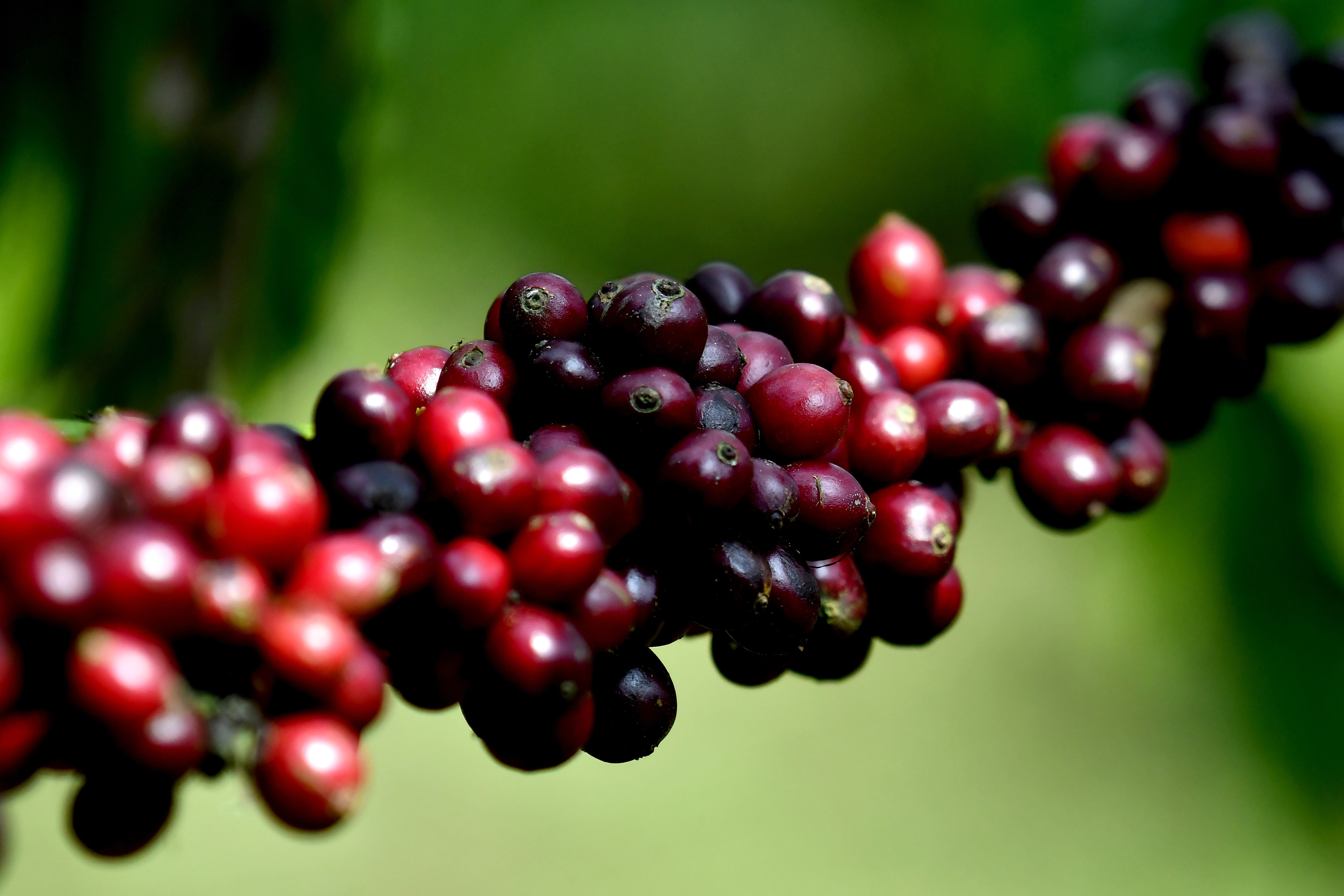
Our Sannidhi Ecofarms project in Sakleshpur spans approximately 38 acres, with over 16,000 trees, including coffee, pepper and arecanut plantations.
Vanavida near Kanakapura is another part of our managed farmland offering.
Our focus is on building managed farmland communities where agricultural activities and community-based living come together. The aim is to make the ownership experience about more than just the land parcel.
What Should You Check Before Choosing a Farmland Community? Buyers Checklist
Before making a decision, look beyond the brochure. Ask practical questions.
Land documents: Are the title, ownership details and survey records clear?
Plantation plan: What crops are being grown? Who looks after them?
Water availability: What irrigation arrangements are in place?
Infrastructure: Which facilities already exist, and which are only proposed?
Management: What services are included? What are the ongoing charges and owner responsibilities?
These details matter.
What Makes a Farmland Community Valuable in the Long Run?
A farmland community can bring land ownership, agriculture, nature and community living into one experience. But the quality of that experience depends on how the project is planned, the transparency of its ownership and management arrangements, and what actually happens after the purchase.
When comparing managed farmland communities, don't just ask how much land you get. Ask what comes with it, who takes care of it, how the agricultural activities are managed and how the community will function over time.
Because owning farmland is about more than buying land. It is also about understanding what you are becoming part of.
FAQs
1. What is the difference between farmland and a managed farmland community?
Farmland ownership may involve managing the land independently. A managed farmland community combines individual ownership with agreed agricultural management and shared facilities, depending on the project.
2. Who maintains the plantations in managed farmland projects?
A management team may handle plantation care and upkeep as per the agreed services. Buyers should confirm the exact scope before purchasing.
3. What should I check before buying farmland in Karnataka?
Check land title, ownership records, permitted land use, water access, plantation plans and the management agreement. Seek independent legal advice before making a decision.
Swasya Team
You Might Also Like



Subscribe to the Swasya
newsletter
Discover insights about sustainable farming, investment opportunities, and the future of agriculture.
By subscribing, you agree to the Privacy Policy
Subscribe to the Swasya
newsletter
Discover insights about sustainable farming, investment opportunities, and the future of agriculture.
By subscribing, you agree to the Privacy Policy